Toyota to build Waymo robotaxis for Japan in 2027
Toyota and Waymo will start testing a factory-built autonomous bZ4X fleet in Japan in 2027, with the UK and other Waymo markets planned for later years. It is the first real product of a partnership that began as a preliminary agreement in April 2025.
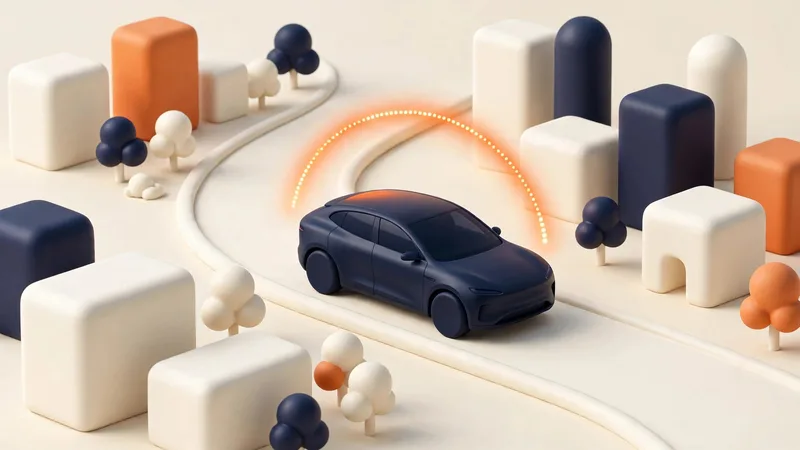
Key takeaways
- Toyota and Waymo announced on October 30, 2026 that they will begin initial operations to test and validate an autonomous Toyota bZ4X fleet in Japan in 2027.
- Toyota will build the vehicles at its Takaoka plant in Toyota City, Aichi, assembling the base vehicle and integrating Waymo's autonomous driving hardware under one roof.
- Deployment to the United Kingdom and other Waymo-serviced markets is planned for the following years, but no UK date, city, or passenger service launch date was announced.
- The vehicles are described as Level 4 autonomous and are custom-fitted for riders, with automatic doors, a power liftgate, generous rear legroom, and ambient lighting.
- Autonomous technology for personally owned Toyota vehicles remains exploratory and is not part of the 2027 testing schedule.
What happened
Toyota and Waymo announced on October 30, 2026 that their autonomous driving partnership has moved from exploration to production. The two companies will begin initial operations to test and validate an autonomous Toyota bZ4X fleet in Japan in 2027, with deployment to the United Kingdom and other Waymo-serviced markets planned for the following years.
The announcement builds on a preliminary agreement the companies signed in April 2025. That agreement was a promise to explore working together. This one names a vehicle, a factory, and a year, which makes it the partnership's first concrete product.
The vehicle itself is a custom version of Toyota's bZ4X electric SUV, fitted with the Waymo Driver, Waymo's fully autonomous driving system. Toyota describes the fleet as safety-validated Level 4 vehicles, meaning they can drive themselves without a human driver in certain areas and conditions. The companies frame the program as a step toward Japan's first fully autonomous ride-hailing service using high-volume, domestically manufactured vehicles.
Why the factory matters
The most interesting detail is where the cars are made, and how. Toyota will build the vehicles at its Takaoka plant in Toyota City, Aichi Prefecture, and the entire process will take place under one roof, from assembling the base vehicle to integrating Waymo's autonomous driving hardware.
That matters because most robotaxis today are retrofits: finished cars are shipped somewhere else to have sensors and computers bolted on. Building the hardware in on the factory line is a sign that both companies expect volume eventually, even if the first fleet is small. Toyota executive Hiroki Nakajima said initial operations would involve a small number of vehicles, according to Reuters reporting of the announcement.
The cars are also designed around passengers rather than drivers. Toyota lists generous rear legroom, automatic doors, a power liftgate, and ambient lighting, all meant to make entry and exit easier, including for riders who cannot easily get around.
What it means for you
If you live in Japan, this is the clearest signal yet that a domestically built driverless ride-hailing service is coming, though not a date you can plan around. Testing and validation in 2027 comes first, and a passenger service follows only after that work is done. If you live in the UK, the honest reading is narrower: the UK is named as a later deployment market, but the announcement gives no city, no date, and no regulatory approval for a passenger service.
For the wider industry, the deal shows how Waymo is scaling beyond its current fleets. Partnering with the world's largest carmaker gives it factory capacity and a right-hand-drive platform that fits Japan and the UK alike. For Toyota, it is a way to put its manufacturing strength behind a self-driving system it did not have to build alone.
Waymo co-CEO Dmitri Dolgov used the announcement to repeat a safety claim worth handling carefully: that in areas where Waymo operates, its system has demonstrated up to 20 times fewer serious crash injuries than human drivers. That is Waymo's claim about its existing operations, not a test result for the Toyota fleet, which has not started testing yet.
What is still unclear: how many vehicles the first Japanese fleet will have, which cities it will test in, when UK deployment actually begins, and what happens to the exploratory work on autonomous technology for personally owned Toyota vehicles. That last item, mentioned alongside partner Woven by Toyota, carries no schedule at all. The 2027 date belongs to the fleet, and only to the fleet.


Comments